
Dexter: Resurrection Returns — What the Antihero Gives Us That Reality Can’t
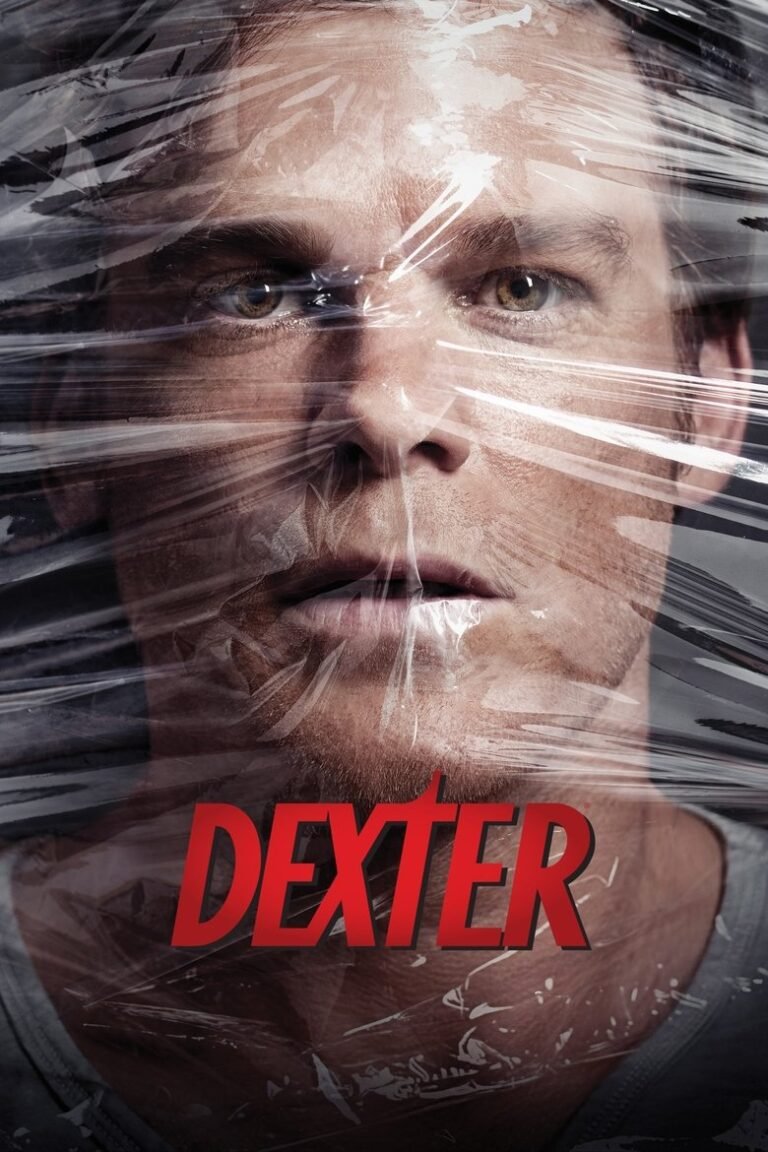
Dexter: Resurrection returns October 30, twenty years after we first fell in love with television’s favorite serial killer. Maybe the interesting question isn’t why Dexter keeps coming back. Maybe it’s why we keep wanting him back.
America loves a good antihero, don’t we?
Give us somebody dangerous, funny and just righteous enough to make us feel okay about rooting for them, and we’re in.
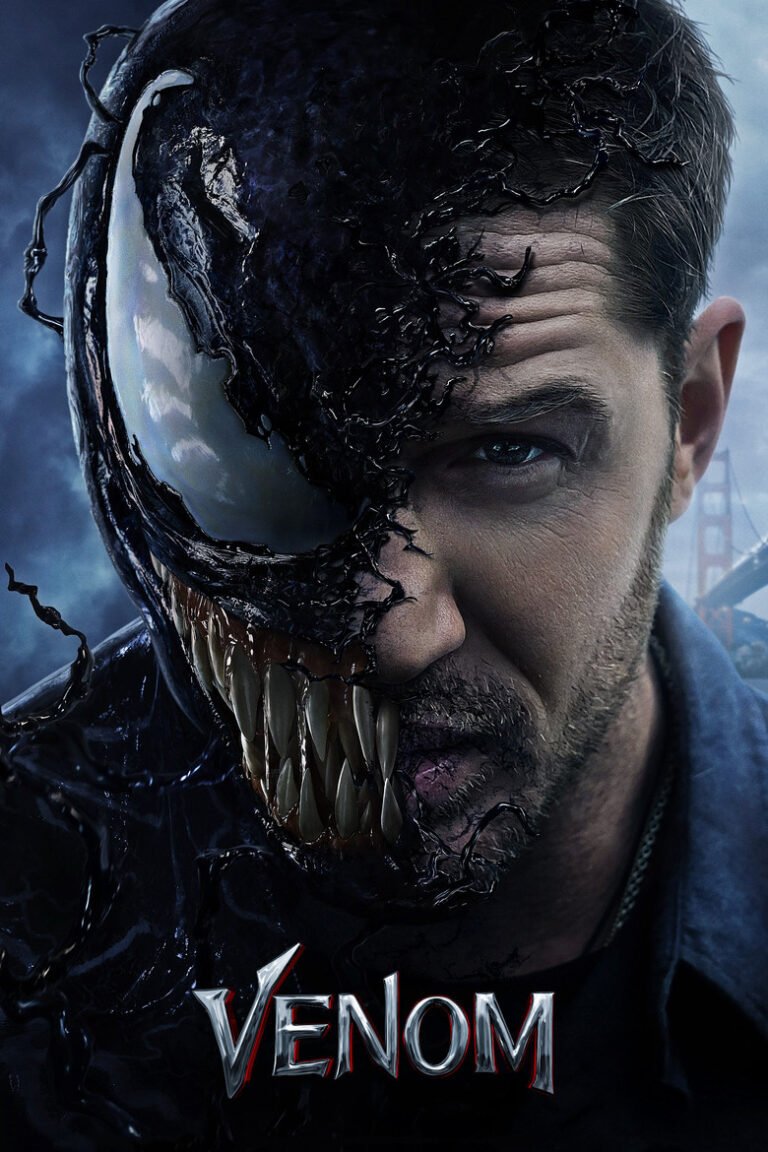
Deadpool shoots and dismembers people while telling jokes. Tom Hardy spent three Venom movies arguing with an alien that occasionally eats people, and somehow the relationship became adorable. Fans spent years waiting for Venom and Spider-Man to finally collide in a movie, only for Hardy to eventually clarify that the crossover everybody thought was coming never actually happened.
And then there’s Dexter Morgan.
Twenty years after Dexter first premiered, Michael C. Hall’s friendly neighborhood serial killer is still alive, still killing and apparently still capable of convincing us to come back for more.
Paramount+ has set Dexter: Resurrection Season 2 for October 30, right in time for Halloween and the franchise’s 20th anniversary. This time Dexter will find himself caught between two killers, one with decades of blood behind him and another young killer terrorizing New York, while Dexter faces an enemy that may finally be more terrifying than the Ice Truck Killer, Trinity or even his own Dark Passenger… Middle age.
Of course I’m going to watch it. That’s the problem.
Dexter Gave Us the Perfect Moral Cheat Code
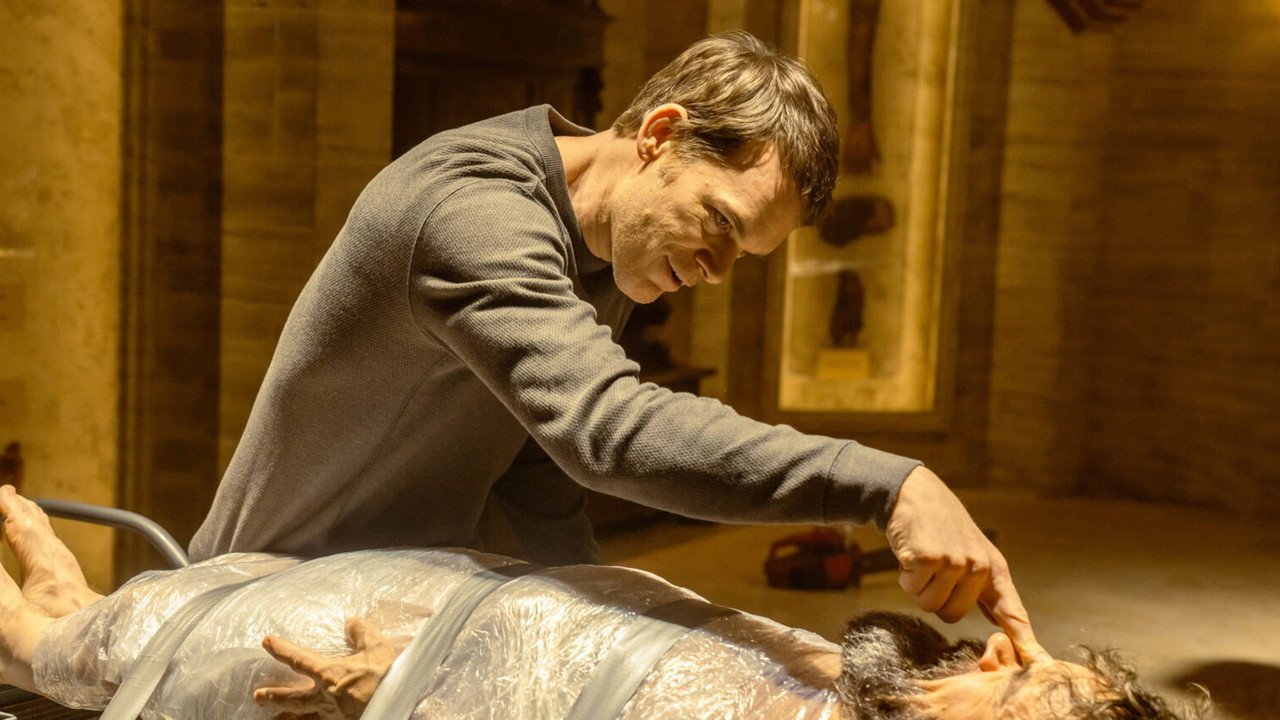
Dexter Morgan is a serial killer. There isn’t really a polite way around that. He stalks people, kidnaps them, straps them to a table, kills them, chops up their bodies and disposes of the pieces. And we love him.
The entire premise of Dexter is designed to make that uncomfortable fact easier to swallow because Dexter has something most killers don’t get: writers.
They can make sure the person wrapped in plastic deserves to be there.
Dexter follows Harry’s Code. He targets killers who escaped justice. The audience is rarely left wondering whether his latest victim was secretly innocent or whether Dexter misunderstood the situation. The writers have already done the moral paperwork for us.
We aren’t rooting for a serial killer. We’re rooting for the serial killer who kills the other serial killers.
See? Totally different.
It creates one of the greatest moral cheat codes television ever invented: I’m not like Dexter. And I’m definitely not like THAT guy on his table.
Congratulations!
We have successfully cleared the lowest moral bar imaginable, and it works beautifully.
That’s why Dexter survived one of the most hated finales in modern television history. The original series ended with Deb dead, Dexter presumed lost at sea and our favorite blood-spatter analyst somehow living alone as a lumberjack.
After everything Dexter had done, after everybody he had hurt and everyone his life had helped destroy, that was apparently where the story ended. Until it didn’t.

Credit: TMDB / promotional artwork
Promotional artwork
themoviedb.org
Then came Dexter: New Blood. Then came Dexter: Resurrection. Now we’re headed into another season.
We quit Dexter the way people quit cigarettes… Apparently forever, until the next one.
We’ve Always Been Fascinated by Monsters
Our fascination with terrible people obviously didn’t start with Dexter.
Crime stories have been entertainment for generations. There are legitimate reasons for that. They can teach us about psychology, policing, institutional failures, victims, courts and the circumstances that allow terrible things to happen.
But there’s also a point where examination becomes appetite.
Netflix gave us a pretty spectacular example with DAHMER: Monster: The Jeffrey Dahmer Story. It crossed one billion hours viewed within its first 60 days. Netflix says the series reached its global Top 10 in 92 countries. A billion hours.
That doesn’t mean the people watching approved of Jeffrey Dahmer. The series itself attempted to focus heavily on Dahmer’s victims and on the institutional failures that allowed him to continue killing, but a billion hours still tells us something about our appetite for monsters. We just cannot seem to be able to look away.
In fiction, that can be fascinating. The trouble starts when we take the storytelling machinery we use for characters like Dexter and apply it to actual human beings… because real life doesn’t have a writers’ room.
Real People Don’t Get Dexter’s Code
Look at what happened around Luigi Mangione.
After UnitedHealthcare CEO Brian Thompson was shot and killed in Manhattan in December 2024, Mangione didn’t simply become a criminal defendant. He became a symbol.
Supporters gathered outside courthouses. His face appeared on merchandise. Online communities turned him into everything from a folk hero to a vessel for anger about insurance companies and the American healthcare system.
People had found their cause. And then they found their antihero.
There was a time when journalistic caution required saying Mangione was accused of killing Thompson. That changed on August 14, 2026, when Mangione pleaded guilty in federal court to interstate stalking resulting in death and cyberstalking resulting in death. According to the Justice Department, he admitted stalking Thompson before shooting him in Manhattan. His federal sentencing is scheduled for December 18.
That doesn’t settle every argument anyone has about healthcare.
It doesn’t settle every philosophical question about injustice, corporations, inequality or rage.
It settles something much simpler: A real man was killed.
Brian Thompson wasn’t a villain written into a television episode so the audience could feel comfortable when Dexter Morgan plunged a knife into his chest… He was a person.
The writers didn’t tell us what to think because there were no writers, so we started writing the story ourselves.
And Then There’s Lindsay Clancy
The Lindsay Clancy case may be an even clearer example of what happens when real crime gets processed like entertainment.
Credit: TMDB / promotional artwork
Promotional artwork
themoviedb.org
Clancy’s 2026 Massachusetts trial centered on the deaths of her three children, Cora, Dawson and Callan.
Here is the part that sometimes gets lost online:
Lindsay Clancy did not dispute that she killed her children.
Her defense was that she was suffering from postpartum psychosis and was not criminally responsible for what she had done. Prosecutors argued that she understood her actions and should be held responsible.
That is an enormous distinction, and it was the actual question placed before the jury.
After nearly 40 hours of deliberations, the jury deadlocked 11-1 and a mistrial was declared on September 4. Eleven jurors were prepared to find Clancy not guilty by reason of insanity. One was not.
Postpartum psychosis is real. Severe mental illness is real. The failures surrounding maternal mental healthcare deserve serious examination.
Whether Clancy was legally responsible for her actions is precisely the kind of difficult question our criminal justice system is supposed to wrestle with, but that wasn’t enough for the internet.
A parallel story grew online suggesting that Patrick Clancy, Lindsay’s former husband, was somehow responsible for the killings.
That was not the defense presented at trial.
No evidence presented at trial established that Patrick Clancy killed the children. Lindsay Clancy’s own attorneys argued something entirely different: that Lindsay killed them while suffering from severe mental illness and therefore was not criminally responsible.
Yet once a criminal case becomes social-media entertainment, people begin doing what audiences have always done.
They cast the story.
Someone becomes the hero.
Someone becomes the villain.
Someone becomes the victim.
Someone gets a redemption arc.
And inconvenient facts have a nasty habit of getting rewritten when they don’t fit the story people have already decided they’re watching.
Credit: TMDB / promotional artwork
Promotional artwork
themoviedb.org
Dexter Can Give Us Certainty. Reality Can’t.
That, I think, is why Dexter Morgan remains such a perfect antihero.
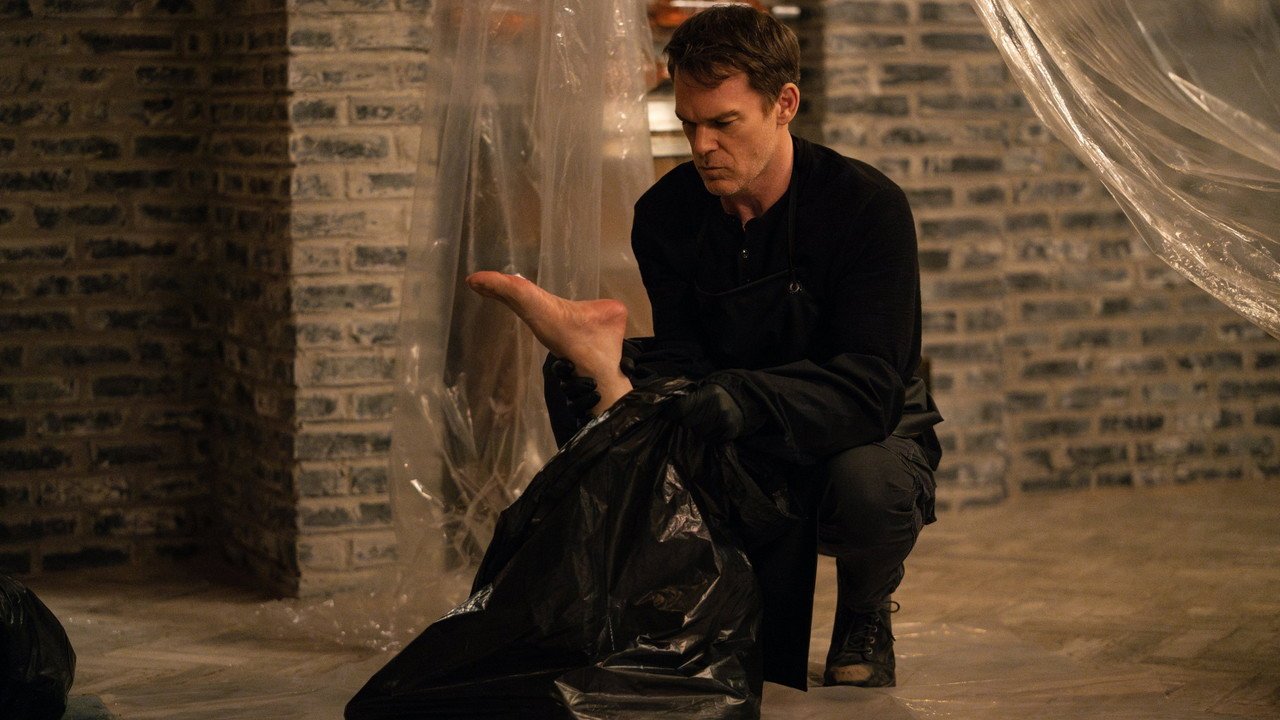
Dexter lives in a controlled universe. The writers can tell us exactly what happened. They can establish that the man on Dexter’s table murdered five people and escaped justice. They can give Dexter photographs, DNA, confessions and conveniently unquestionable proof. They can even make the victim sneer at him before the knife comes down just in case anybody in the cheap seats was still feeling morally uncomfortable.
Reality rarely gives us that.
Evidence can be incomplete.
Witnesses can be wrong.
Experts can disagree.
Mental illness can complicate responsibility. People we sympathize with can do terrible things.
People we dislike can still be victims. Sometimes there isn’t a satisfying villain. Sometimes there isn’t a hero at all, and that makes reality considerably harder to consume than television.
Maybe That’s Why We Keep Resurrecting Dexter
Twenty years after we first met him, Dexter Morgan still gives us something reality doesn’t… Certainty.
He can be the monster and the hero at the same time because somebody else has already decided where the moral lines go. We don’t have to solve anything. We just get to watch, and man, that feels good. I love Dexter.
I’ll be sitting there when Dexter: Resurrection returns October 30. I’ll probably laugh when he says something horrible. I’ll probably root for him when the new bad guy turns out to be even worse. Ultimately, when Dexter wraps somebody in plastic again, the writers will almost certainly make damn sure I don’t feel too guilty about enjoying it.
That’s entertainment.
But maybe we should be a little more careful about carrying that instinct outside the television because Brian Thompson was real.
Cora, Dawson and Callan Clancy were real.
Their deaths aren’t fandoms. They aren’t morality plays. They aren’t opportunities to keep rewriting the characters until everybody conveniently represents whatever cause we already wanted to fight about.
Dexter gets a code because Dexter is fiction.
The rest of us have to live in reality, and lately, I’m not convinced we’re very good at remembering the difference.
References
Sources & References
11
Links cited, consulted, or used as background for this article. Inclusion does not imply independent verification of every claim.
-
abcnews.com
Luigi Mangione admits to shooting UnitedHealthcare CEO as he pleads guilty in federal case – ABC News
August 14, 2026 -
bbc.com
Key moments from Lindsay Clancy's trial over children's killings
2 weeks ago -
en.wikipedia.org
Killing of the Clancy children – Wikipedia
4 hours ago -
newsnationnow.com
Lindsay Clancy trial: What she has admitted about her children’s deaths
2 weeks ago -
cnn.com
Lindsay Clancy admits to killing their children. So why is there an online groundswell blaming her husband, Patrick? | CNN
2 weeks ago -
pbs.org
Lindsay Clancy was 'begging for help' before killing her children, former mother-in-law testifies | PBS News
August 18, 2026 -
npr.org
Lindsay Clancy's trial highlights gaps in understanding, treating postpartum psychosis
August 16, 2026 -
nytimes.com
Opinion | What Lindsay Clancy’s Trial Tells Us About Ourselves – The New York Times
2 weeks ago -
cnn.com
The Lindsay Clancy trial brings maternal mental health into the spotlight | CNN
2 weeks ago -
nolo.com
The Lindsay Clancy Case: Understanding the Postpartum Psychosis Defense
1 week ago -
the-independent.com
Judge finds mother with postpartum psychosis not guilty of murdering her two children in case echoing Lindsay Clancy trial | The Independent
3 weeks ago

What This Is About

Dexter: Resurrection
View Title


+2
Dexter
View Title
+3
Venom
View Title



Deadpool
View Title

Michael C. Hall
View Person

Tom Hardy
View Person
Community
What Did You Think?
0 comments
No comments yet. Start the conversation.