
James Bond Apparently Needs Batman to Sell Tickets Now
Robert Pattinson is the new 007. Amazon has inherited one of cinema's greatest franchises, and its choice of leading man makes me wonder whether anybody in Hollywood remembers what made James Bond special in the first place.
Robert Pattinson’s Batman makes George Clooney look like Michael Keaton.
And now somebody has decided to make him James Bond.
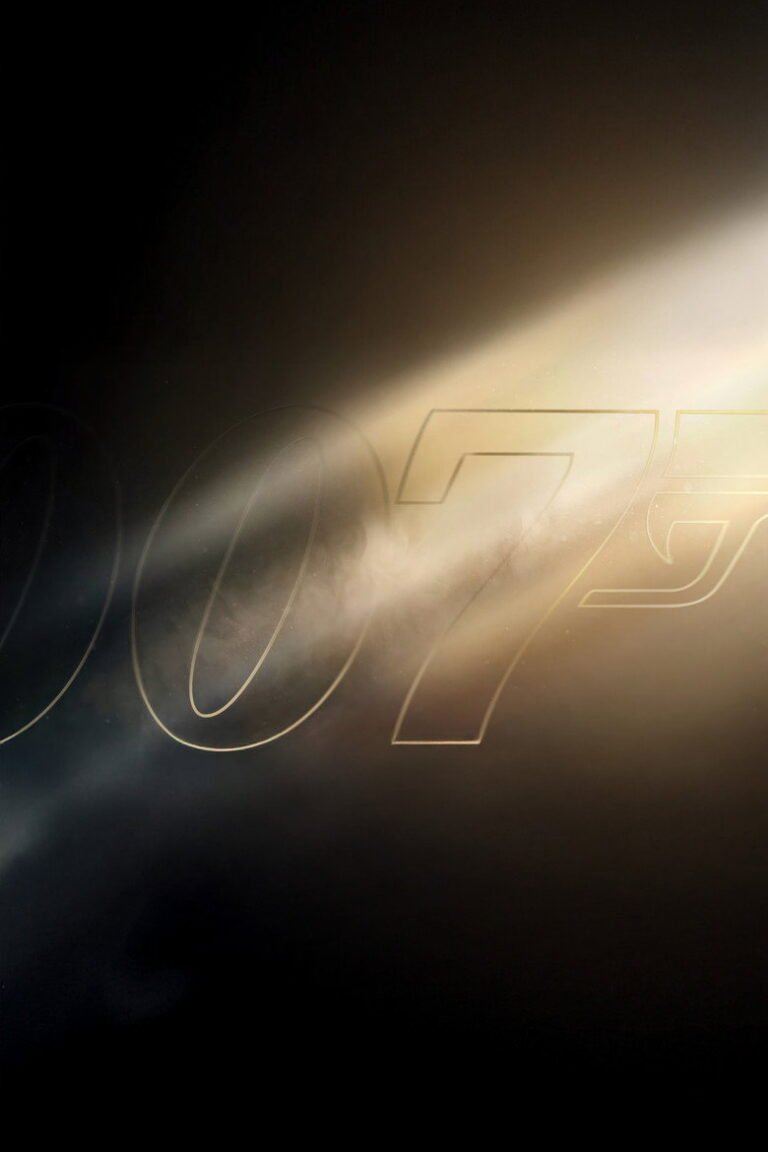
I’m not kidding. On November 16, Amazon MGM Studios officially announced that Pattinson will succeed Daniel Craig as the world’s most famous secret agent. Denis Villeneuve will direct, Steven Knight is writing the screenplay, and Amy Pascal and David Heyman are producing.
That’s an impressive collection of talent. Unfortunately, they’ve decided to put Robert Pattinson in the middle of it.
James Bond. The sophisticated, charming, dangerous British secret agent who has spent more than six decades saving the world, seducing women, driving magnificent cars and making international espionage look like the coolest profession imaginable.
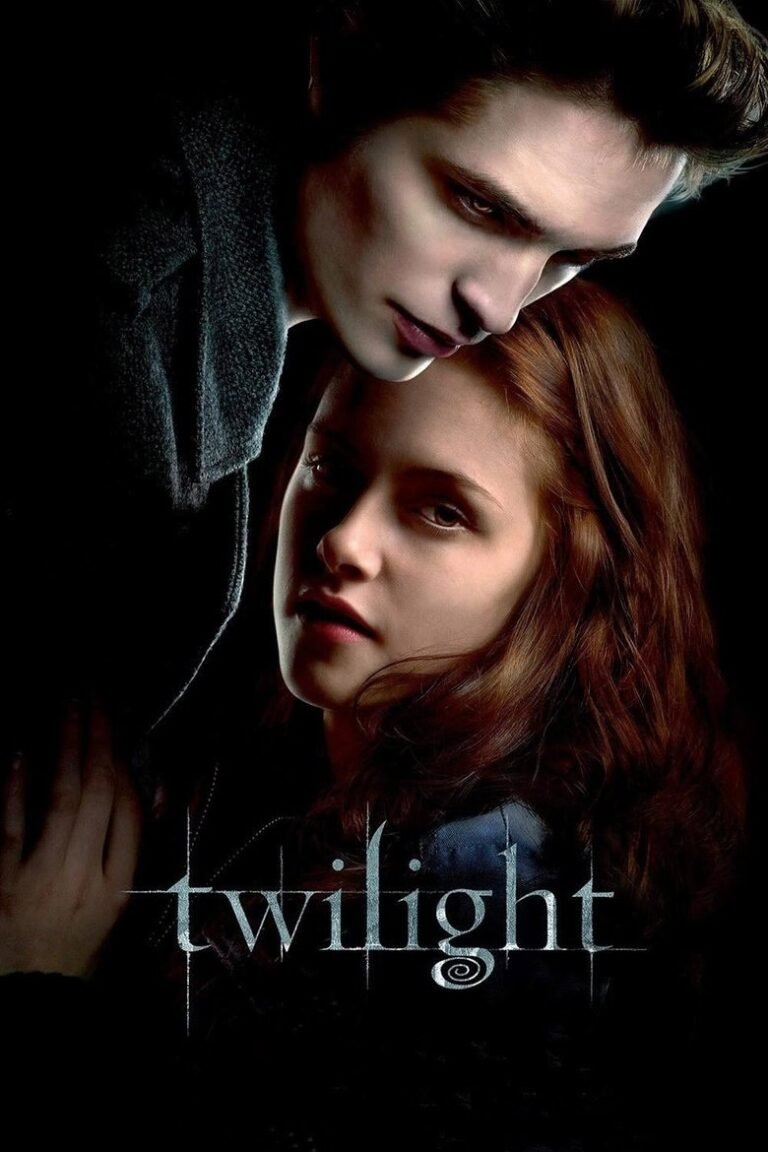
And now he’s Edward Cullen.
I realize that Pattinson has become a critically acclaimed actor since Twilight. I’m aware that Hollywood thinks he’s brilliant. I know he’s worked with Christopher Nolan, Robert Eggers and some of the most respected filmmakers in the industry.
I don’t care.
I think Robert Pattinson is one of the most overrated actors working today, and I think making him James Bond is a spectacularly stupid decision.
But the casting itself is only half the problem. The circumstances surrounding it tell a much bigger story about an entertainment industry that seems increasingly incapable of trusting its own most valuable creations.
James Bond used to be the role that made an actor a cinematic legend. Apparently, James Bond now needs Batman to sell tickets.
Amazon Bought Bond. Now Comes the Corporate Wisdom.
Here’s something that makes this whole situation even more irritating.
Amazon is running James Bond now.
Yes, the same company that delivers paper towels to your doorstep and recommends dog food based on your browsing history has creative control over one of the most important movie franchises ever created.
Amazon acquired MGM in 2022, but the situation changed dramatically in March 2025, when longtime Bond custodians Barbara Broccoli and Michael G. Wilson completed a joint venture that transferred creative control of the franchise to Amazon MGM Studios.
The Broccoli family remains a co-owner of the intellectual property. But the people who spent generations protecting and shaping James Bond are no longer making the creative decisions.
And that matters.
The Broccolis weren’t perfect. Neither were their movies. But they understood something fundamental about Bond: the franchise was never supposed to depend on attaching the biggest available celebrity to the character.
Sean Connery wasn’t an international superstar when he became Bond. Neither was Daniel Craig.
The character helped make them legendary.
That’s how it’s supposed to work.
I understand that Amazon MGM is a legitimate film studio with experienced filmmakers, tremendous resources and the historic MGM legacy behind it. I’m not suggesting the entire operation is staffed by people who have never seen a movie.
But corporate ownership and creative judgment are two very different things.
And when a giant corporation takes control of a beloved franchise, I start getting nervous about whether the people making decisions are thinking about great movies or quarterly financial presentations.
Because this casting decision looks suspiciously like the sort of thing an algorithm would recommend.
Customers who enjoyed The Batman may also enjoy James Bond.
Apparently, Amazon decided to combine the two.
The Casting Process Makes This Even More Interesting
Before today’s announcement, I had been following the search for Daniel Craig’s replacement with genuine excitement.
One actor in particular caught my attention: Callum Turner.
Turner wasn’t an unknown. He’d appeared in Masters of the Air, The Boys in the Boat and several other notable productions. But he hadn’t become synonymous with another enormous franchise character.
He seemed like a promising opportunity to give Bond his own identity again.
And Turner wasn’t the only interesting possibility. Jack Lowden and Josh O’Connor were reportedly among the original leading candidates.
Then Robert Pattinson and Nicholas Hoult entered the picture.
On November 13, entertainment journalist Matthew Belloni published a fascinating account of the negotiations in Puck, citing three sources familiar with the dealmaking.
According to Belloni, Lowden and O’Connor were asked to agree to four Bond films if selected.
Pattinson reportedly negotiated a three-film commitment and considerably more money.
These were preliminary agreements associated with the audition process, not publicly verified terms of Pattinson’s final contract. But the reported difference is revealing.
Pattinson apparently had enough leverage to demand more money for less commitment.
Belloni actually makes the argument that Pattinson might be the sensible choice for Amazon. Modern franchises are vulnerable, he reasons, and an established celebrity can give even a powerful brand additional commercial insurance.
I understand the business logic.
I also think it’s exactly what’s wrong with Hollywood.
When did James Bond become a franchise that needed another franchise’s leading man to survive?
Why does one of the most recognizable characters in motion picture history suddenly need Batman’s celebrity to make people interested?
Belloni’s reporting also suggests Pattinson was someone Villeneuve wanted to audition, so this wasn’t necessarily a corporate decision forced upon an unwilling director.

Credit: TMDB / promotional artwork
Promotional artwork
themoviedb.org
Maybe Villeneuve saw something extraordinary in his screen test. Maybe he genuinely believes Pattinson is the ideal Bond.
I haven’t seen the audition, and I’m not pretending to know what happened behind closed doors.
But from my perspective, Amazon has passed up an opportunity to establish a new leading man and chosen somebody who already comes with twenty years of celebrity baggage.
And I’m not especially impressed with that baggage.
Christopher Nolan Already Made That Batman Movie
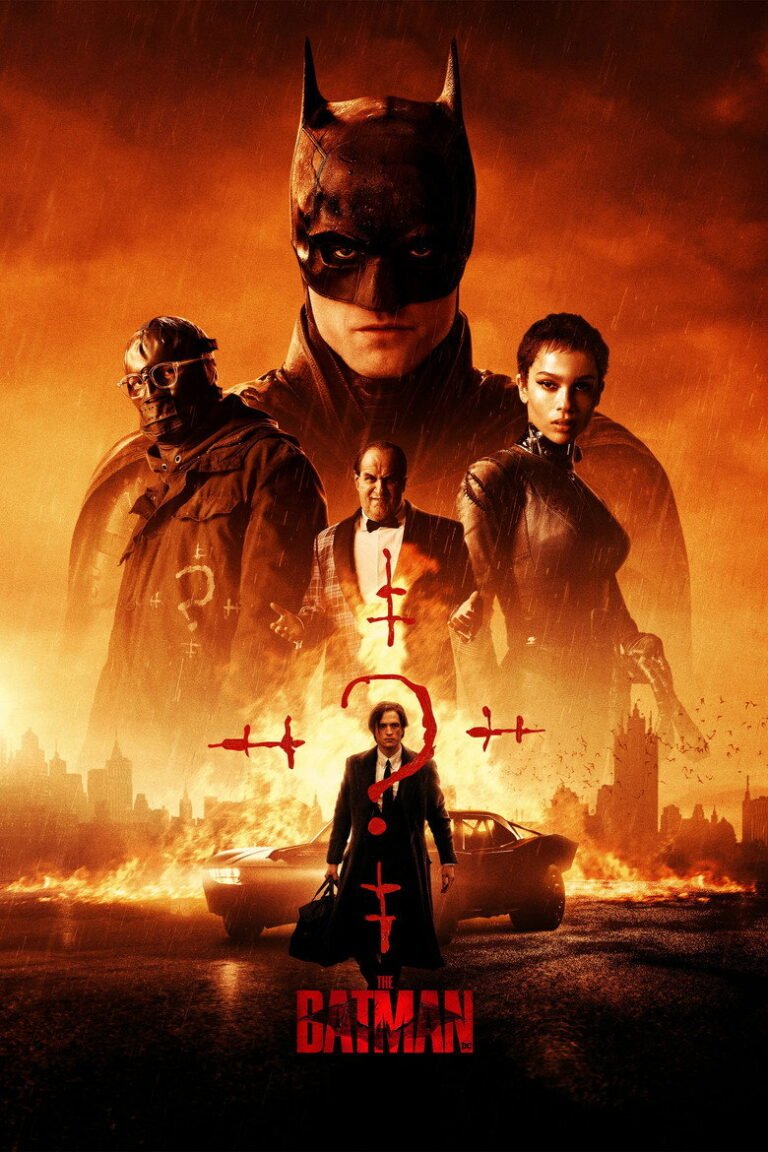
Let’s talk about The Batman.
Because I know Pattinson’s supporters absolutely love telling everybody what a brilliant, dark, sophisticated interpretation of Batman he delivered in 2022.
I thought it was terrible.
Not because I demand that every Batman movie look like the ones I grew up with. Not because I can’t accept a new actor in the role. And not because I object to filmmakers reinventing familiar characters.
It’s because Christopher Nolan already made the movie Matt Reeves was trying to make.
In 2005, Batman Begins dragged Batman out of the cartoonish excess of the 1990s and placed him in a grounded, psychologically complicated crime thriller.
Nolan gave us a damaged Bruce Wayne, a corrupt Gotham City, organized crime, personal trauma, moral ambiguity and a man struggling to reconcile his humanity with the monster he’d created to fight criminals.
Then came The Dark Knight, which turned Batman into the centerpiece of one of the greatest modern crime thrillers ever made.
Nolan didn’t simply darken the lighting and call it a reinvention. He examined the entire concept of Batman, what makes him necessary, what makes him dangerous and what his existence does to the world around him.
So what did Reeves give us?
Another damaged Bruce Wayne. Another corrupt Gotham City. More personal trauma, criminal conspiracies and moral ambiguity.
Except this time everybody looks miserable, everything is wet, and Batman appears to have been sleeping in the same clothes for six months.
I know Reeves emphasized Batman’s detective work. The Riddler mystery, the serial-killer atmosphere and the noir-inspired investigation were differences from Nolan’s approach.
I’ll give him that.
But those differences weren’t enough for me to justify nearly three hours of cinematic gloom.
Pattinson’s Bruce Wayne barely seems to exist outside his misery. His performance is so relentlessly withdrawn that I found myself waiting for an actual personality to emerge from underneath all that hair and eye makeup.
Christian Bale could be damaged, furious, charming, calculating and authoritative. His Bruce Wayne understood that being a billionaire playboy was part of the disguise.
Pattinson’s Bruce Wayne looks like somebody who’d rather stay home listening to Nirvana than attend his own company’s board meeting.
There’s a difference between portraying emotional damage and making emotional damage the character’s entire personality.
I’m not alone in questioning whether the film offered enough reinvention. In his Los Angeles Times review, critic Justin Chang questioned the movie’s tendency to revisit familiar territory and described Pattinson’s performance as touching but insufficiently developed.
That’s a much more charitable assessment than mine, but it identifies the same underlying problem.
Yes, The Batman was commercially successful. It grossed more than $770 million worldwide, and plenty of critics loved it.
Wonderful. I’m glad somebody enjoyed those three hours.
But box-office success doesn’t automatically make a movie good, and doing the same thing again with a different aesthetic doesn’t make it revolutionary.
Which brings us to the part that concerns me most about Pattinson as Bond.
Daniel Craig already brought emotional damage and psychological intensity to 007. But he also brought physical authority, charisma and a sense that this was a man who could kill you without breaking a sweat.
Craig’s Bond could be vulnerable without becoming helplessly consumed by his own misery.
Do we really need another brooding, emotionally distant interpretation of a character who has already spent twenty years being reinvented?
I don’t.
And judging by what Pattinson did with Batman, I’m not particularly optimistic.
Primetime: The Chris Hansen Impression Nobody Needed
If The Batman left me questioning Pattinson’s acting abilities, Primetime did nothing to restore my confidence.
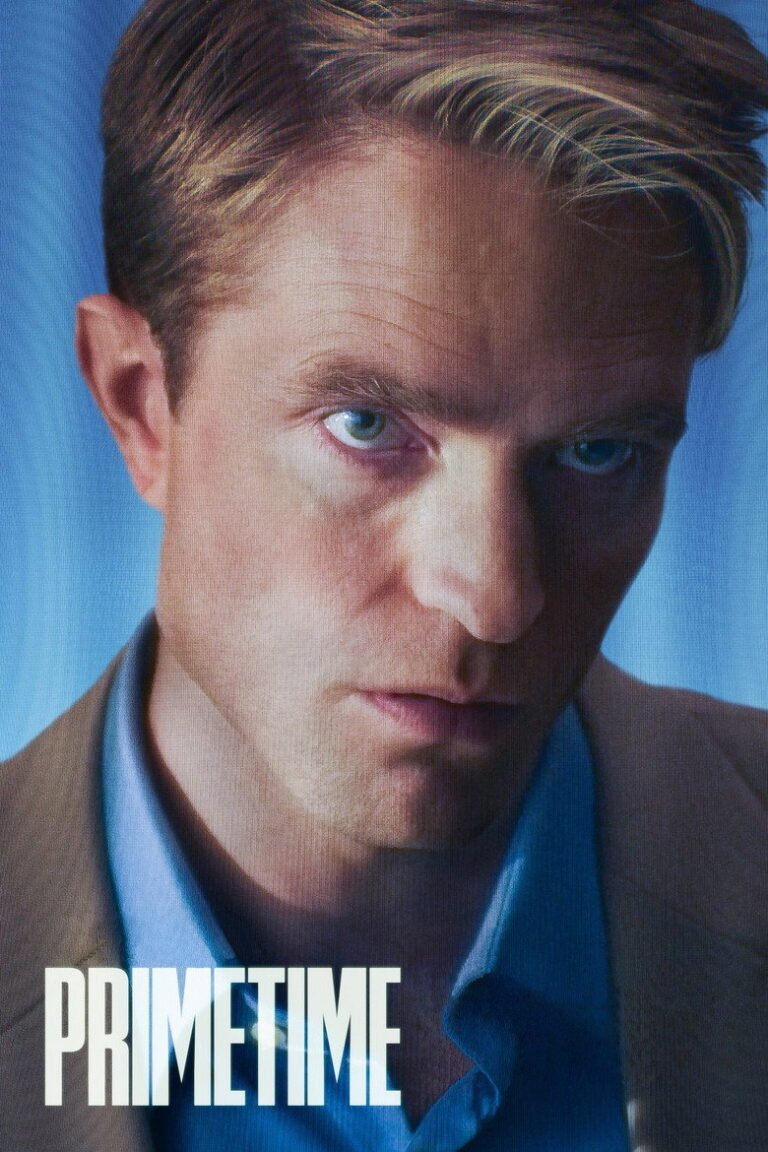
In the 2026 film, Pattinson portrays Chris Hansen, the journalist best known for confronting adults suspected of attempting to sexually exploit minors on To Catch a Predator.
That’s potentially fascinating material.
The ethics of televised sting operations, the relationship between journalism and entertainment, and the uncomfortable spectacle of watching criminals confronted on camera could provide the foundation for a genuinely provocative movie.
Instead, I watched Robert Pattinson turn Chris Hansen into something resembling a deranged South Park character.
The mannerisms. The theatrical delivery. The exaggerated intensity.
Pattinson seems so interested in creating a bizarre character that the actual human being disappears beneath the performance.
Here’s where the background becomes especially revealing.
In a GQ interview with screenwriter Ajon Singh, Singh explained that the character was substantially rewritten around Pattinson’s interpretation. Pattinson had also been involved in developing the project as a producer before committing to star.

Credit: TMDB / promotional artwork
Promotional artwork
themoviedb.org
In other words, he wasn’t simply handed a screenplay and told to perform somebody else’s ridiculous idea.
He helped shape the project.
Even more interestingly, in a GQ discussion featuring Pattinson and director Lance Oppenheim, the filmmakers discussed their familiarity with Hansen through internet memes and parodies, including South Park.
Suddenly, my comparison doesn’t seem quite so far-fetched.
Of course, recognizing the influence of internet satire doesn’t automatically mean the filmmakers intended to produce an inaccurate portrayal. They clearly had ambitions beyond making a parody.
But I think those ambitions got completely lost.
And the actual Chris Hansen wasn’t particularly impressed, either.
According to TheWrap, Hansen gave Pattinson’s performance a D.
Hansen also acknowledged that Pattinson is talented and had spoken graciously about him. His criticism was directed at the performance and the fictionalized portrayal of his life.
That distinction matters.
So does the assessment from San Francisco Chronicle critic Mick LaSalle, who argued that although Pattinson captured Hansen’s recognizable voice and physical mannerisms, the characterization reduced him to an unfair caricature.
And that’s precisely my problem.
An imitation isn’t necessarily a compelling performance.
Making a recognizable person strange, uncomfortable or disturbing isn’t automatically evidence of artistic sophistication.
Sometimes it’s just bad acting wrapped in expensive production values.
Pattinson has received considerable praise for films like Good Time and The Lighthouse. I’m not disputing that other people see something extraordinary in his work.
But the performances that have shaped my opinion of him leave me completely unconvinced that he possesses the qualities I want from James Bond.
I don’t want to see Robert Pattinson doing a weird interpretation of James Bond. I want to see somebody become James Bond.
There’s an enormous difference.
Hollywood Keeps Selling Us Our Childhood
There’s a bigger cultural problem here, and I suspect it’s going to irritate some younger readers.
Good.
Because I’m tired of hearing about what younger audiences supposedly want, especially when the entertainment being offered to them consists largely of characters and franchises that became famous decades before they were born.
Batman. Superman. Spider-Man. Ghostbusters. Indiana Jones. James Bond.
Look around.
How much of our current blockbuster culture depends on recycling intellectual properties that previous generations already made successful?
I grew up in the 1980s, surrounded by movies that became cultural landmarks. Some of those franchises existed long before I was born, and that’s exactly the point. They endured because successive generations of filmmakers and performers knew how to make them entertaining.
They weren’t afraid to give characters personalities. They weren’t afraid of humor. They didn’t confuse constant misery with emotional depth.
And they certainly didn’t need every leading man to look as though he’d just emerged from a particularly unpleasant therapy session.
Now Hollywood keeps repackaging those same characters for younger audiences and congratulating itself for being innovative.
It’s not innovation.
It’s an expensive coat of fresh paint on somebody else’s house.
I’m not suggesting younger audiences can’t recognize a good movie. Plenty can, and plenty have excellent taste.
But I am questioning a culture in which familiar characters are repeatedly presented as fresh entertainment merely because another popular actor has been inserted into the costume.
Somebody who discovered Batman through Pattinson might genuinely believe Reeves delivered the definitive version.
Fine.
But some of us remember what Nolan accomplished. Some of us remember Michael Keaton. Some of us even survived George Clooney.
We’ve seen these characters rise, fall, disappear and return.
And when another filmmaker arrives promising a revolutionary interpretation that looks remarkably familiar, we’re allowed to call bullshit.
Here’s the irony: Pattinson himself is forty years old. His breakout franchise, Twilight, began in 2008.
He’s not some daring discovery representing an entirely new generation of performers.
He’s a celebrity from an earlier pop-culture phenomenon being transplanted into an even older one.
That’s not youth culture creating something new.
That’s Hollywood selling nostalgia to audiences who may not even recognize it as nostalgia.
And I’m getting sick of it.

Credit: TMDB / promotional artwork
Promotional artwork
themoviedb.org
Callum Turner Was the Opportunity. Pattinson Is the Safe Bet.
This is why the Callum Turner possibility mattered to me.
Not because Turner was guaranteed to be an extraordinary James Bond. Nobody could know that without seeing him in the role.
But because he represented an opportunity.
A chance to let an actor develop his own relationship with one of cinema’s greatest characters without the audience constantly remembering another famous role.
That’s what made Daniel Craig’s appointment so exciting in retrospect.
Craig wasn’t everybody’s favorite choice when he was announced in 2005. Plenty of people complained. Some hated the idea.
Then Casino Royale arrived.
And he proved himself.
That’s what a great casting decision can accomplish.
I was skeptical of Craig before he began, too, but what matters is what he brought to the screen. He gave Bond an intensity and humanity that justified the reinvention.
Pattinson might theoretically accomplish something similar.
But I don’t see it.
I see an actor whose greatest commercial successes have come from existing intellectual properties and whose dramatic performances frequently leave me wondering what everybody else is seeing.
More importantly, I see a company willing to offer favorable terms to an established celebrity while other candidates apparently faced longer commitments.
Former Bond casting director Debbie McWilliams, who helped cast Timothy Dalton, Pierce Brosnan and Daniel Craig, told The Independent that Bond needs to retain a sense of mystery. She was concerned that audiences might know too much about an overly familiar actor.
She wasn’t endorsing Turner. In fact, she had reservations about his level of fame as well.
But her broader point is worth considering.
James Bond works because we believe in James Bond.
Not because we recognize the guy from the last expensive franchise movie.
There was a time when putting on the tuxedo meant becoming part of something larger than yourself.
Now it apparently means being famous enough to negotiate a better contract.
What a depressing change.
I’m Not Buying a Ticket to Watch Batman Play Bond
I know how this works.
The Pattinson fans will tell me I don’t understand his artistic genius. Somebody will explain that The Lighthouse proves he’s one of the finest actors alive. Others will remind me that Daniel Craig was controversial when he was cast.
And somebody will inevitably point to The Batman‘s box office as though ticket sales settle artistic arguments.
None of that changes my opinion.
I don’t like Pattinson’s performances. I didn’t like his Batman. I thought his portrayal of Chris Hansen was ridiculous. And I don’t want to spend the next decade watching him turn James Bond into another brooding exercise in emotional discomfort.
Could Denis Villeneuve surprise me?
Absolutely. He’s an accomplished director, and his involvement is probably the most reassuring element of this entire production.
Could the film be commercially successful?
Of course. James Bond is an enormous franchise, and the attention surrounding Pattinson’s casting guarantees that plenty of people will be curious.
But I think Amazon is making a terrible bet.
I think this is exactly the kind of decision that happens when corporations become more interested in recognizable celebrity brands than discovering the next extraordinary performer.
And I think it has the potential to blow up spectacularly.
James Bond doesn’t need to be Batman. He doesn’t need to be Edward Cullen. He doesn’t need to become an expression of whatever tortured, relentlessly serious interpretation Hollywood happens to find fashionable this year.
He needs to be James Bond.
Dangerous. Charming. Sophisticated. Intelligent. Entertaining.
And played by somebody who makes us forget we’re watching an actor.
Maybe Pattinson will prove me wrong. But based on what I’ve seen, I think this casting is a disaster waiting to happen.
I’m sitting this mission out.
Congratulations, Amazon. You bought creative control of one of the greatest franchises in movie history, and your big idea was to hand the tuxedo to the guy from Twilight.
James Bond has a license to kill. Apparently, Amazon has a license to recycle.
And I have every right to say this looks like crap.
References
Sources & References
14
Links cited, consulted, or used as background for this article. Inclusion does not imply independent verification of every claim.
-
aboutamazon.com
Robert Pattinson cast as James Bond for the next 007 film -
aboutamazon.com
Next 'James Bond' film: Cast, director, and more
May 14, 2026 -
aboutamazon.com
Amazon MGM Studios announces Steven Knight as the screenwriter for the next James Bond movie
July 31, 2025 -
thewrap.com
Robert Pattinson Is the New James Bond
1 hour ago -
thejamesbonddossier.com
Bond 26: latest news, cast, release date & confirmed facts
3 days ago -
goldderby.com
Robert Pattinson and Nicholas Hoult join James Bond screen test lineup
1 week ago -
variety.com
Why Amazon Spent $8.5 Billion to Land MGM, and What’s Next for the Studio Behind James Bond
March 17, 2022 -
washingtonpost.com
Amazon closes its deal to acquire movie studio MGM – The Washington Post
March 17, 2022 -
latimes.com
Amazon closes $8.5-billion purchase of MGM, giving it broader sway in Hollywood
March 17, 2022 -
forbes.com
Amazon Closes $8.5 Billion MGM Deal—Adding Blockbusters To Its Platform
April 14, 2022 -
variety.com
James Bond Shocker: Amazon MGM Gains Creative Control of 007 Franchise as Producers Barbara Broccoli and Michael G. Wilson Step Back
February 20, 2025 -
deadline.com
James Bond Shocker! Amazon MGM Studios Takes Creative Control Of Spy Franchise As Producers Michael G. Wilson & Barbara Broccoli Step Back
February 20, 2025 -
aboutamazon.com
Amazon MGM Studios announces new joint venture with Michael G. Wilson and Barbara Broccoli for James Bond franchise rights
March 25, 2025 -
latimes.com
Longtime Bond producers give creative control to Amazon MGM Studios – Los Angeles Times
February 20, 2025

What This Is About
Untitled James Bond Film
View Title
The Batman
View Title


+2
Primetime
View Title
Twilight
View Title

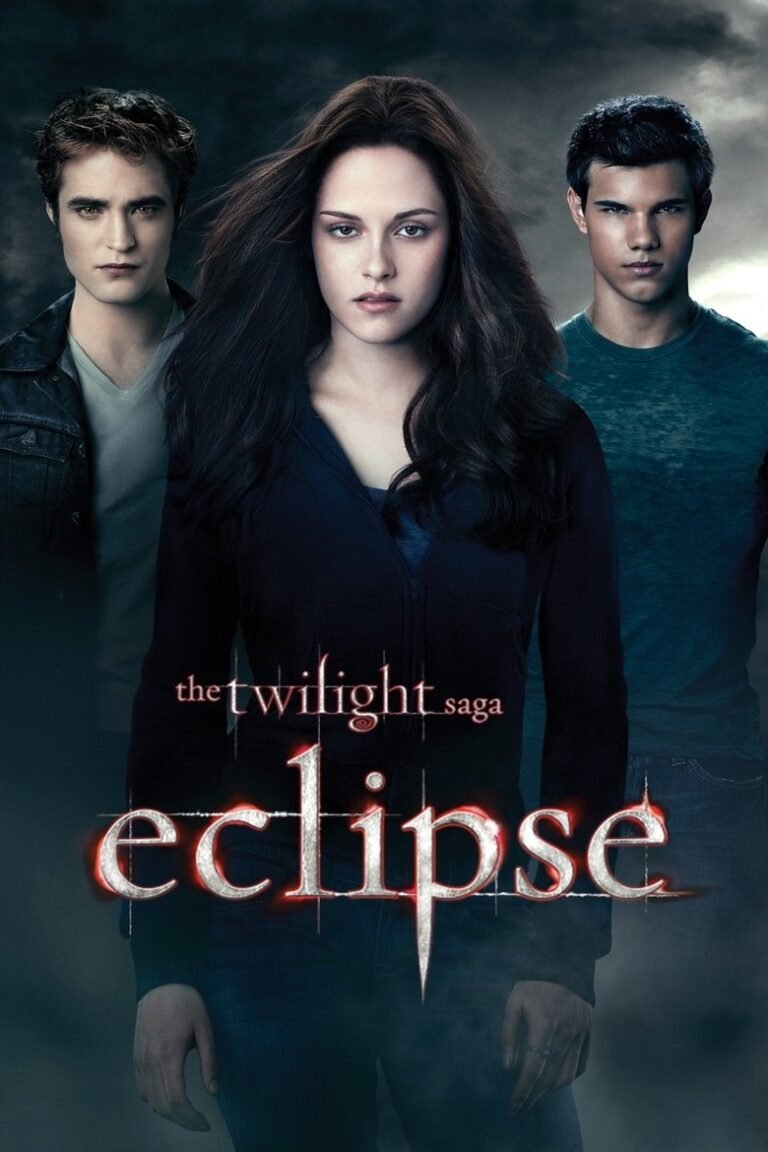
The Twilight Saga: Eclipse
View Title

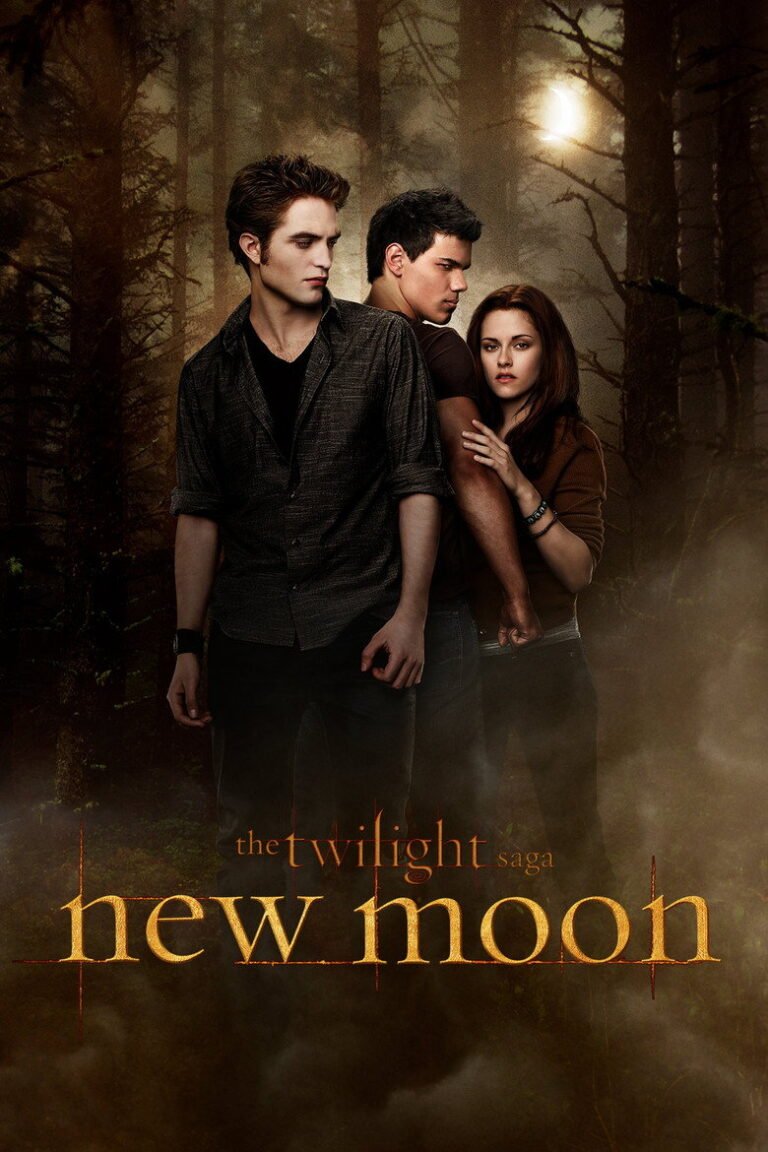
The Twilight Saga: New Moon
View Title
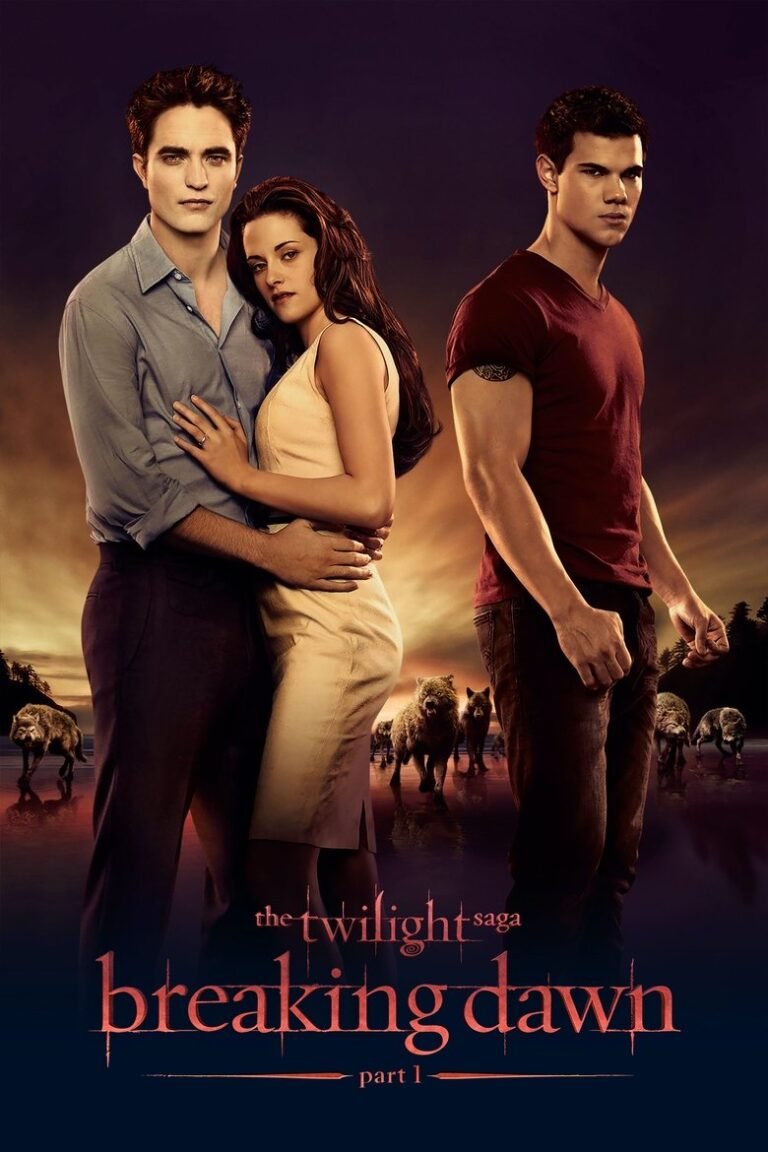
The Twilight Saga: Breaking Dawn – Part 1
View Title
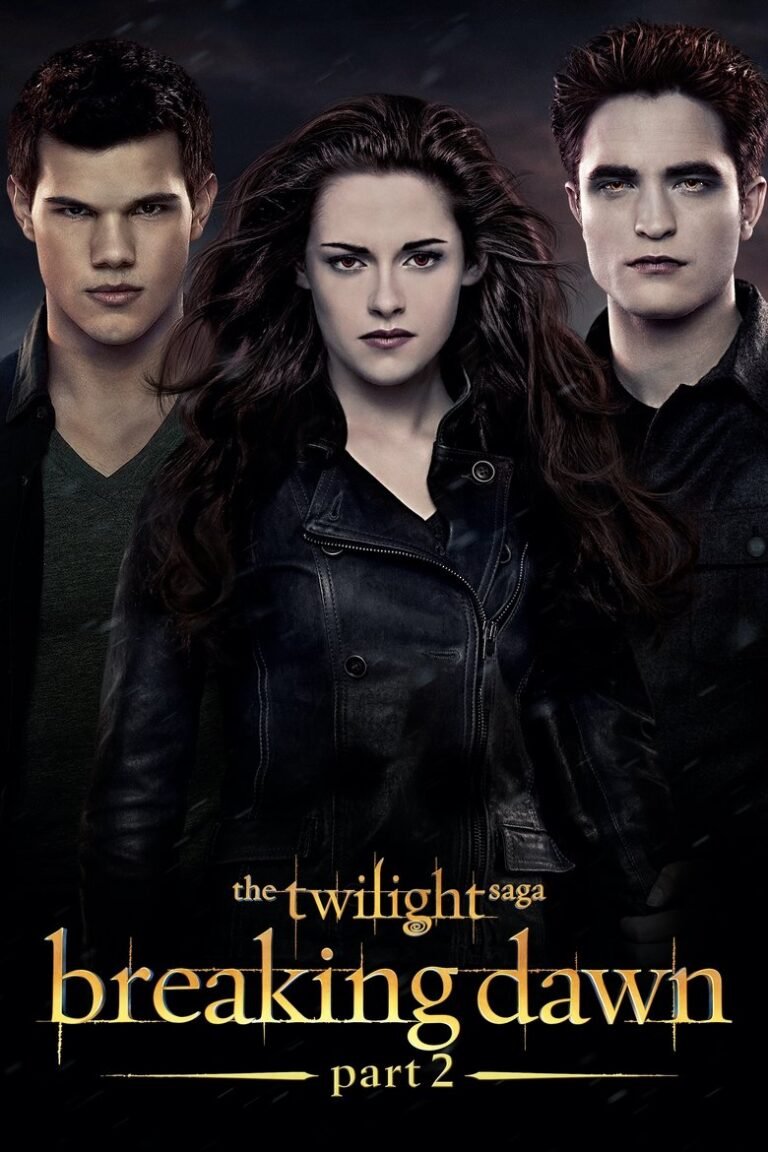
The Twilight Saga: Breaking Dawn – Part 2
View Title

Robert Pattinson
View Person

Callum Turner
View Person
Community
What Did You Think?
0 comments
No comments yet. Start the conversation.